New Developments
What is Tama 38?
Reinforcement, reconstruction, value enhancement: what you need to know before buying an apartment in a building involved in a Tama 38 project.
Contents
Tama 38/1 and Tama 38/2: understanding the two main models of property renewal in Israel
Reinforcement, reconstruction, value enhancement: what you need to know before buying an apartment in a building involved in a Tama 38 project.
In Israel, Tama 38 (תמ״א 38) has had a profound impact on the property market. Launched in 2005, this national programme aimed to reinforce older buildings against earthquakes while encouraging their renovation through additional building rights.
For owners and investors alike, these projects have followed two main approaches: Tama 38/1, based on reinforcing the existing building, and Tama 38/2, which involves its demolition and reconstruction.
Tama 38/1: reinforcing and improving the existing building
Tama 38/1, also known as reinforcement and extension, involves retaining the building's structure while carrying out work to improve its earthquake resistance.
Depending on the building's layout, planning regulations and the approvals obtained, the project may include:
Reinforcing the existing structure.
Adding a lift.
Extending certain apartments.
Creating a protected space (Mamad).
Adding new homes within permitted limits.
For apartment owners, the benefit lies in modernising their building without having to demolish it. For investors, this approach may offer an opportunity to acquire an apartment in a building earmarked for improvements.
However, careful consideration must be given to the quality of the work, disruption during construction, the final layout of communal areas and the approvals actually issued.
Tama 38/2: demolishing to rebuild
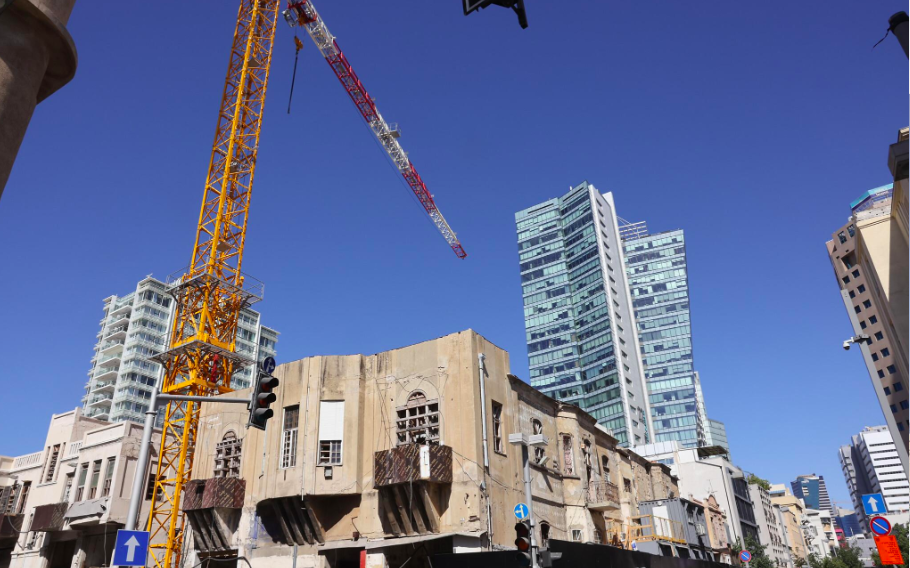
Tama 38/2, known as demolition and reconstruction, follows a different principle: the existing building is demolished and replaced with a new one.
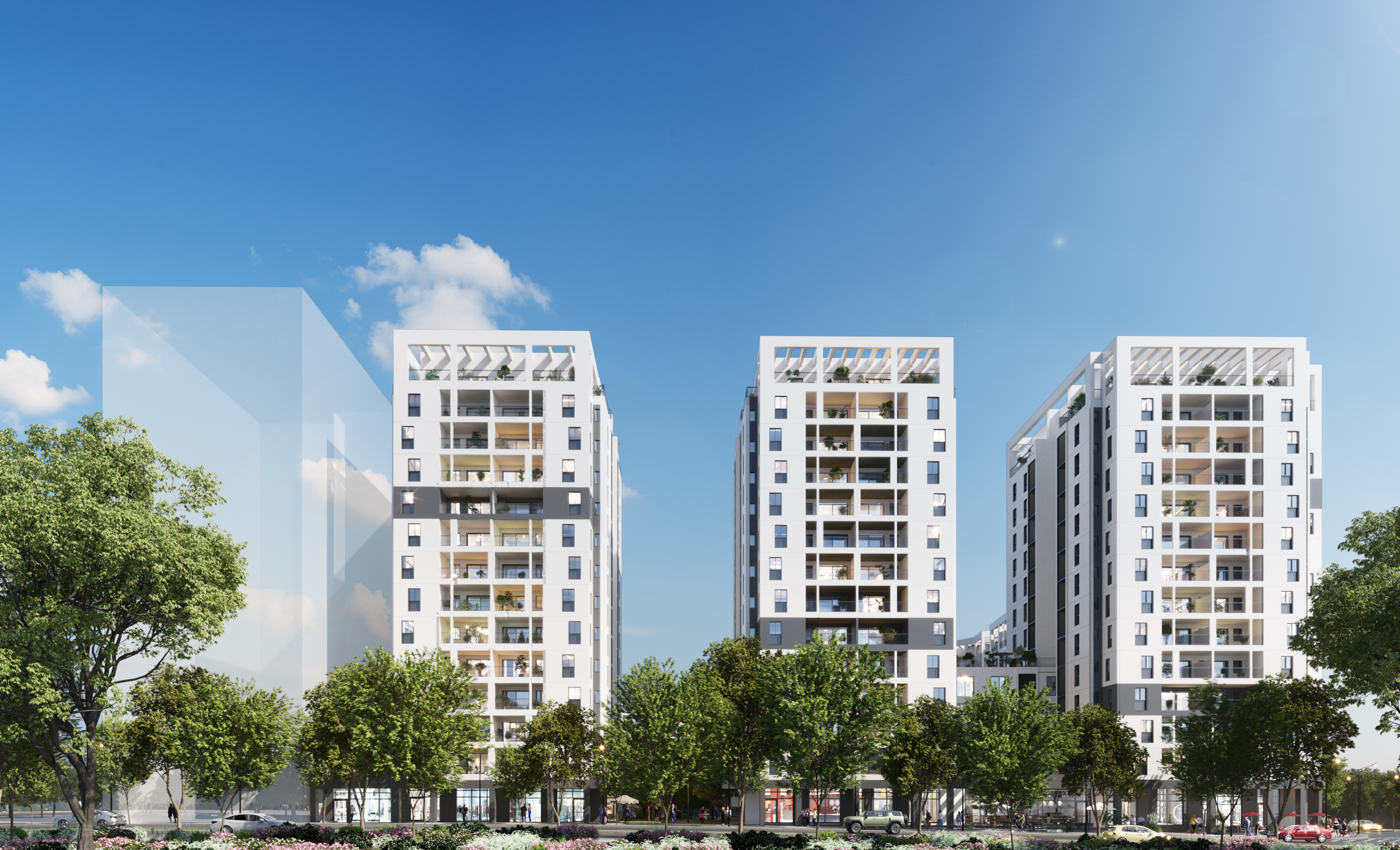
The project may provide owners with new homes, generally better suited to contemporary standards, including a lift, a protected space and modernised facilities, depending on the approved project.
As part of a project undertaken with a developer, owners may receive a new apartment in exchange for their participation, in accordance with the signed contract. The precise terms — floor area, floor level, terrace, parking, schedule and compensation for temporary accommodation — must be negotiated and verified in the contractual documents.
For a buyer, Tama 38/2 may be particularly attractive: purchasing an apartment in an older building that could be rebuilt may offer potential for capital appreciation. However, this potential depends on many factors and is never guaranteed.
A potentially eligible building, a project under consideration by a developer and a development that has obtained its building permit represent three very different situations.
Tama 38/1 or Tama 38/2: what are the differences?
The key distinction lies in the nature of the work.
Tama 38/1 retains the building and seeks to reinforce and improve it. Tama 38/2 involves demolishing it and constructing a new building.
The choice between the two depends in particular on the building's structural condition, the site's configuration, building rights, local planning policy and the project's financial viability.
The fact that a building is old is therefore not enough to conclude that an urban renewal project will be possible. A planning and technical assessment is essential.
Tama 38 in 2026: what to check
Tama 38 has evolved over the years, and its national framework has been subject to a gradual phase-out. Alternative mechanisms, notably under tikkoun 139 of the Israeli Planning and Building Law, allow local authorities to develop other urban renewal solutions.
In practice, it is essential to check the rules applicable in the municipality concerned, any transitional provisions and the project's actual progress. In Tel-Aviv, for example, the possibilities also depend on municipal planning policy and the plans applicable to the area.
Before any purchase, it is therefore advisable to consult planning documents, verify the steps taken with the municipality and have the file reviewed by qualified professionals.
Investing in a building involved in a project: a thorough assessment is essential
Renovation and urban renewal can create genuine opportunities in the Israeli property market. However, an apartment's value does not depend solely on the theoretical possibility of a future project.
Location, purchase price, building rights, agreements between apartment owners, the developer's identity and the project's administrative status must all be assessed together.
This article is provided for information only and constitutes neither legal advice nor a guarantee of the feasibility or profitability of a property project.
This article is provided for general information only and does not constitute legal, tax or financial advice. Every situation is different — please consult a qualified professional before making any decision.
Planning a purchase in Israel?
Tell us about your plans — your GurInvest advisor will guide you with clarity and discretion.
Speak with an advisor